
Building lean muscle isn’t just about lifting heavier weights or following the latest workout trend. Nutrition plays a major role in whether your training actually pays off. Whether your goal is gaining more muscle, preserving muscle while losing fat, or maintaining lean muscle while using GLP-1 medications, these seven nutrition mistakes can quietly hold you back. The good news? Each one has a clear fix.
1. Undereating Protein
Protein provides the amino acids your body needs to repair and rebuild muscle tissue after training. When intake is too low, muscle protein synthesis can’t keep up with breakdown, making gains harder to achieve. A 2018 study published in the Journal of the International Society of Sports Nutrition found that resistance-trained individuals saw greater improvements in lean mass when protein intake reached roughly 1.6–2.2 grams per kilogram of body weight per day. This becomes even more important for people on GLP-1 medications, as reduced appetite can make it easier to fall short.
What to do instead: Include a quality protein source at every meal and snack, and spread intake evenly across the day.
2. Cutting Calories Too Aggressively
Severe calorie restriction may speed up weight loss on the scale, but it often comes at the expense of muscle. Research published in Sports Medicine in 2014 showed that large calorie deficits increase the risk of lean mass loss, even with resistance training. This is a common pitfall for people trying to “lean out” quickly or adjusting to appetite suppression from GLP-1 drugs.
What to do instead: Aim for a modest deficit if fat loss is the goal, and prioritize resistance training paired with adequate protein.
3. Skipping Carbohydrates
Carbohydrates often get blamed for fat gain, but they are a key fuel source for hard training. Muscle glycogen helps power strength and high-intensity workouts. A 2017 review in the Journal of the International Society of Sports Nutrition found that adequate carbohydrate intake supports training volume and performance, both of which influence muscle growth over time. What to do instead: Focus on complex carbs like oats, rice, potatoes, fruit, and legumes to support training without relying on refined sugars.
4. Relying on Nutrient-Poor Calories
“Dirty bulking” may increase scale weight, but it often leads to unnecessary fat gain and poorer health markers. A 2019 study in Nutrients reported that higher protein, nutrient-dense diets favored lean mass gain over fat mass during periods of increased calorie intake.
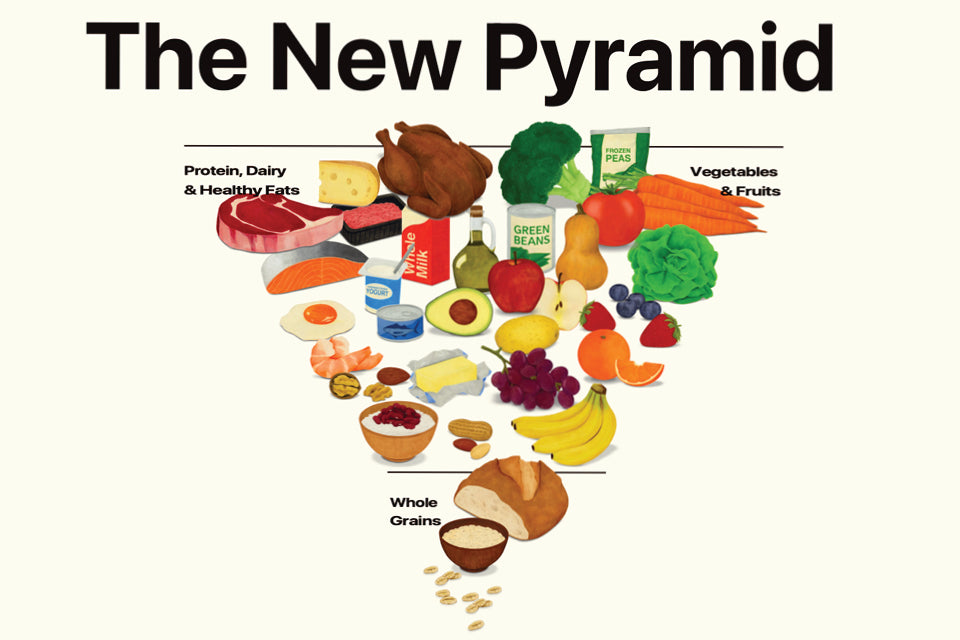
What to do instead: Build meals around whole foods such as lean proteins, vegetables, fruits, whole grains, and healthy fats.
5. Overlooking Hydration
Even mild dehydration can affect strength, power, and workout quality. A 2015 study published in the Journal of Strength and Conditioning Research found that dehydration as low as 2% of body weight reduced muscular endurance. Over time, that dip in performance can limit progress.
What to do instead: Drink fluids consistently throughout the day and increase intake around training sessions.
6. Ignoring Meal Timing Around Workouts
While total daily intake matters most, timing still plays a role in recovery. Research published in the Journal of Applied Physiology in 2013 showed that combining protein with carbohydrates after exercise improves glycogen replenishment and supports muscle repair.
What to do instead: Eat a balanced meal or snack with protein and carbs within a few hours after training, especially on hard workout days.
7. Depending Too Heavily on Supplements
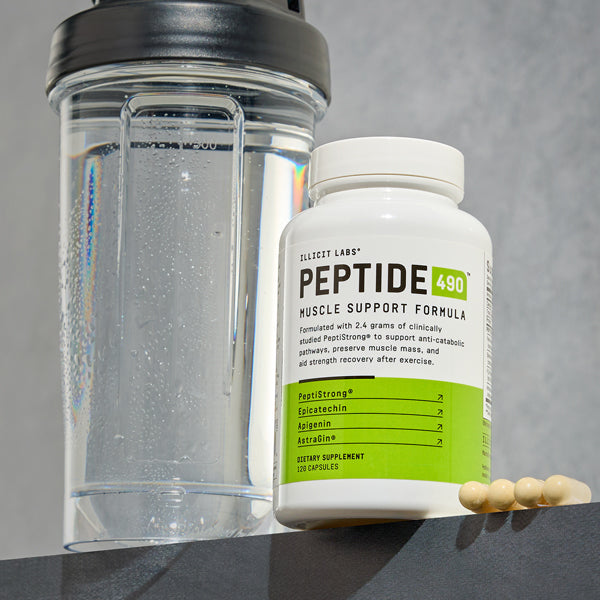
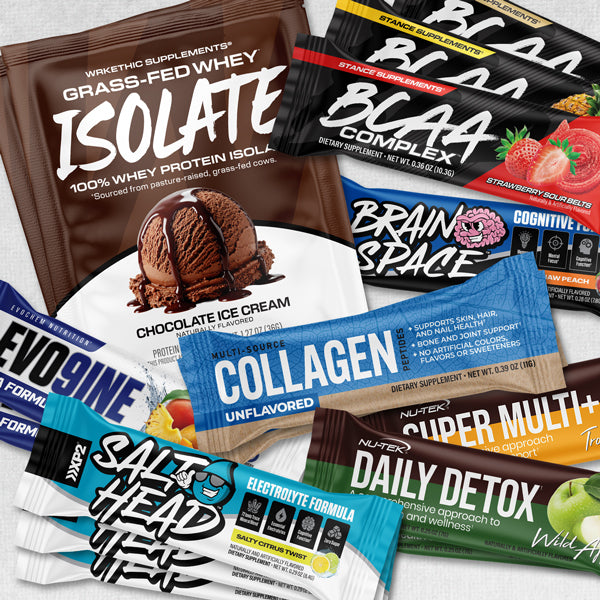
Protein powders, bars, and performance products can be a convenient way to support daily protein needs, but they’re designed to complement a balanced diet, not replace whole foods entirely. Whole foods still provide a broader mix of nutrients that support overall health alongside muscle building.
What to do instead: Use protein supplements as they’re intended – as an easy snack or a way to boost protein intake when whole-food options aren’t practical. Adding a scoop of protein to a smoothie, stirring it into oatmeal, or enjoying a shake with a handful of nuts in the afternoon are simple ways to do that, especially when you choose a high-quality protein source.
The Bottom Line
Muscle gain and muscle preservation depend on consistent training paired with smart nutrition habits. By eating enough protein, fueling workouts properly, staying hydrated, and avoiding extreme approaches, you give your body what it needs to build strength and maintain lean muscle over time. Small adjustments made consistently tend to deliver the best long-term results.